Stay safe: learn how to reduce wildlife collisions
At dawn and dusk the chance of something suddenly appearing on the road increases. Knowing how to respond can help keep you safe and reduce harm to our local wildlife.
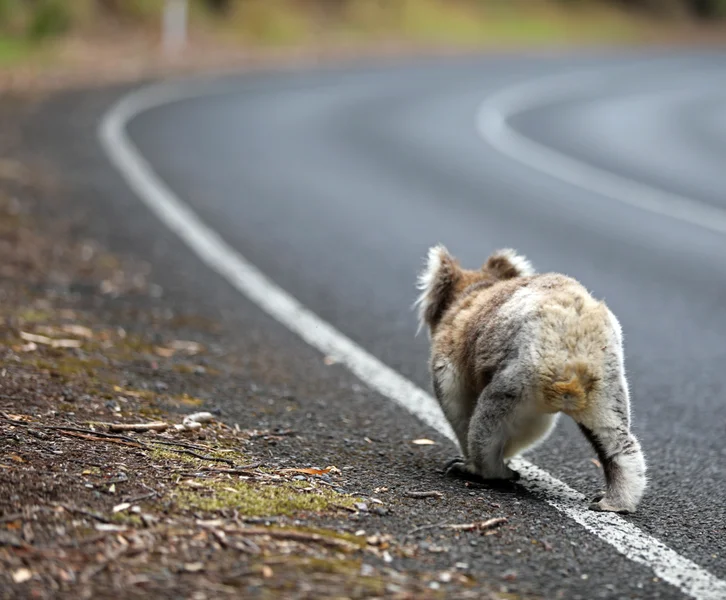
Why wildlife is more active at dawn and dusk
Across the Sunshine Coast’s mix of bushland, rural roads and hinterland habitats, many native animals move around most actively between dusk and dawn. Reduced light makes it harder to see them early, and animals such as kangaroos, wallabies, possums and birds may appear suddenly.
Collisions often occur when drivers try to get home before dark, as animals can seem to 'appear out of nowhere'.
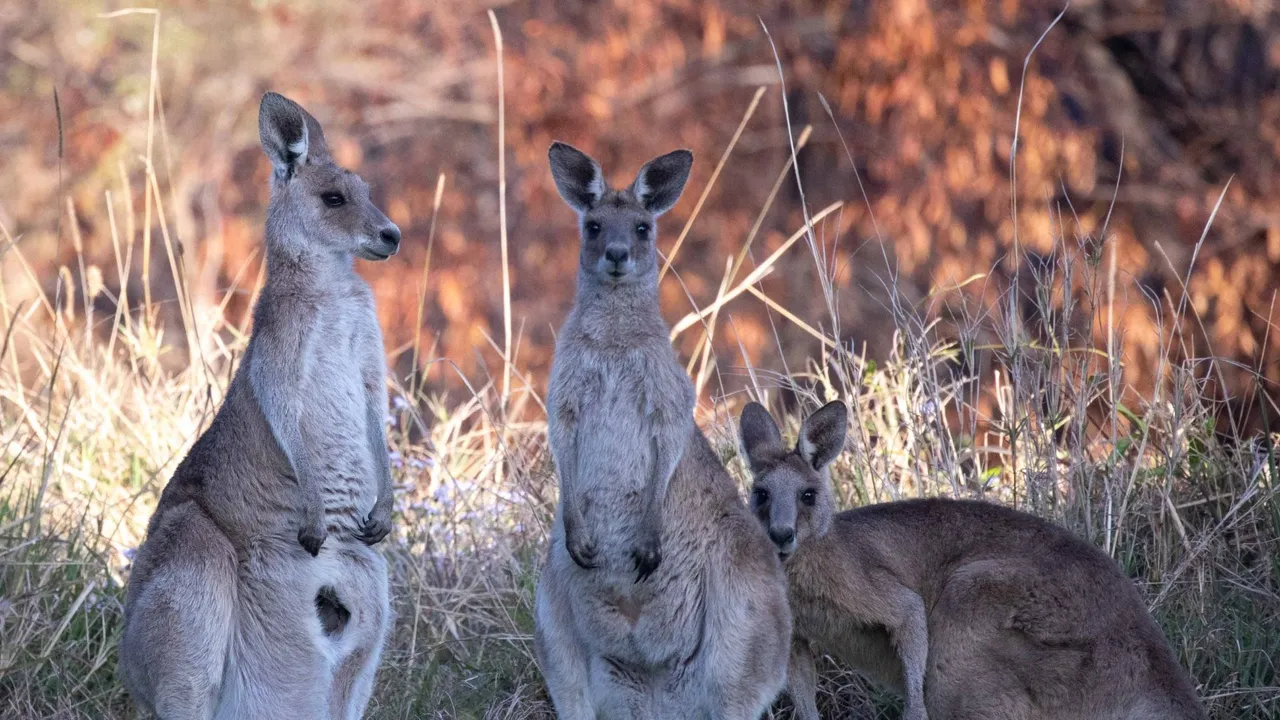
How to prepare for driving at peak times
Slow down
Travelling even 5 km/h slower can significantly improve your ability to stop safely and avoid a collision.
Use headlights wisely
- Keep headlights clean to maximise visibility.
- Use high beams when there’s no oncoming traffic to help detect eye shine or movement.
- Dip your lights if you see an animal — bright beams can startle or freeze them.
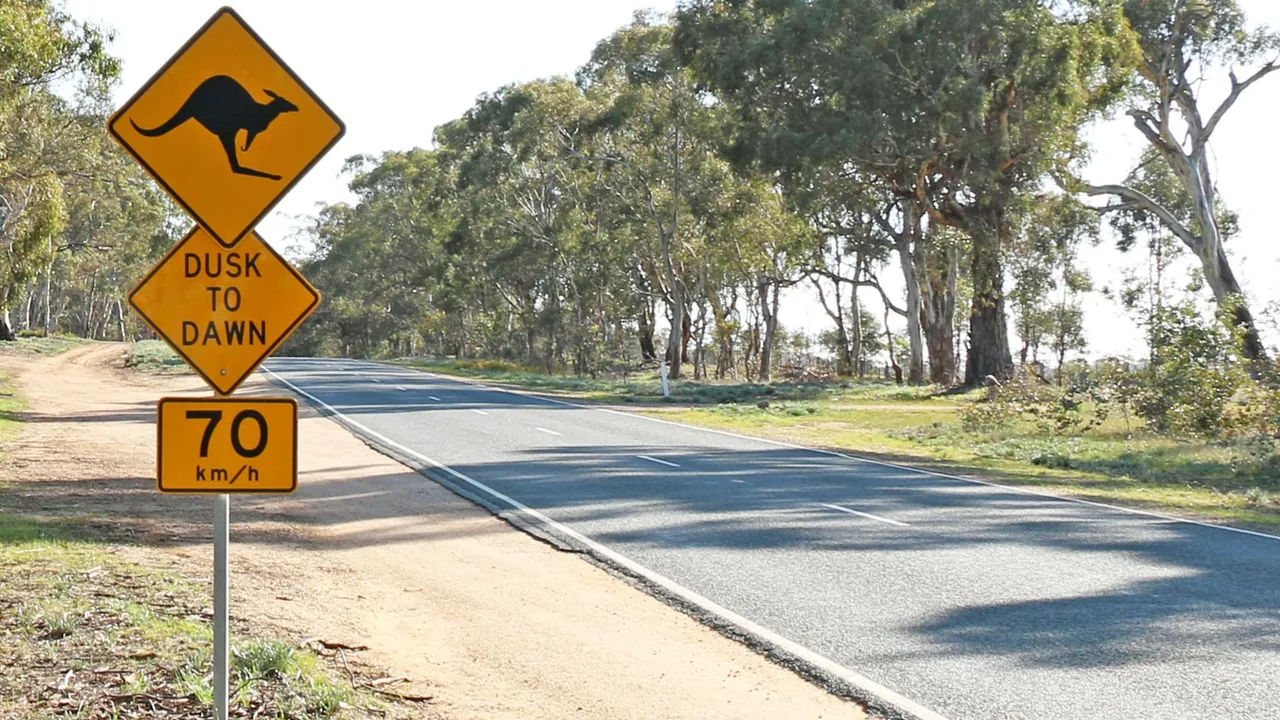
Stay alert in wildlife‑prone areas
On the Sunshine Coast, this includes hinterland roads, forestry edges and rural stretches where tall grass or bushland meets the road. Wildlife warning signs and roadside vegetation are strong indicators of high‑risk zones.
Local knowledge is valuable too – residents often know which stretches of road see the most wildlife activity.
What to Do If Something Jumps in Front of Your Car
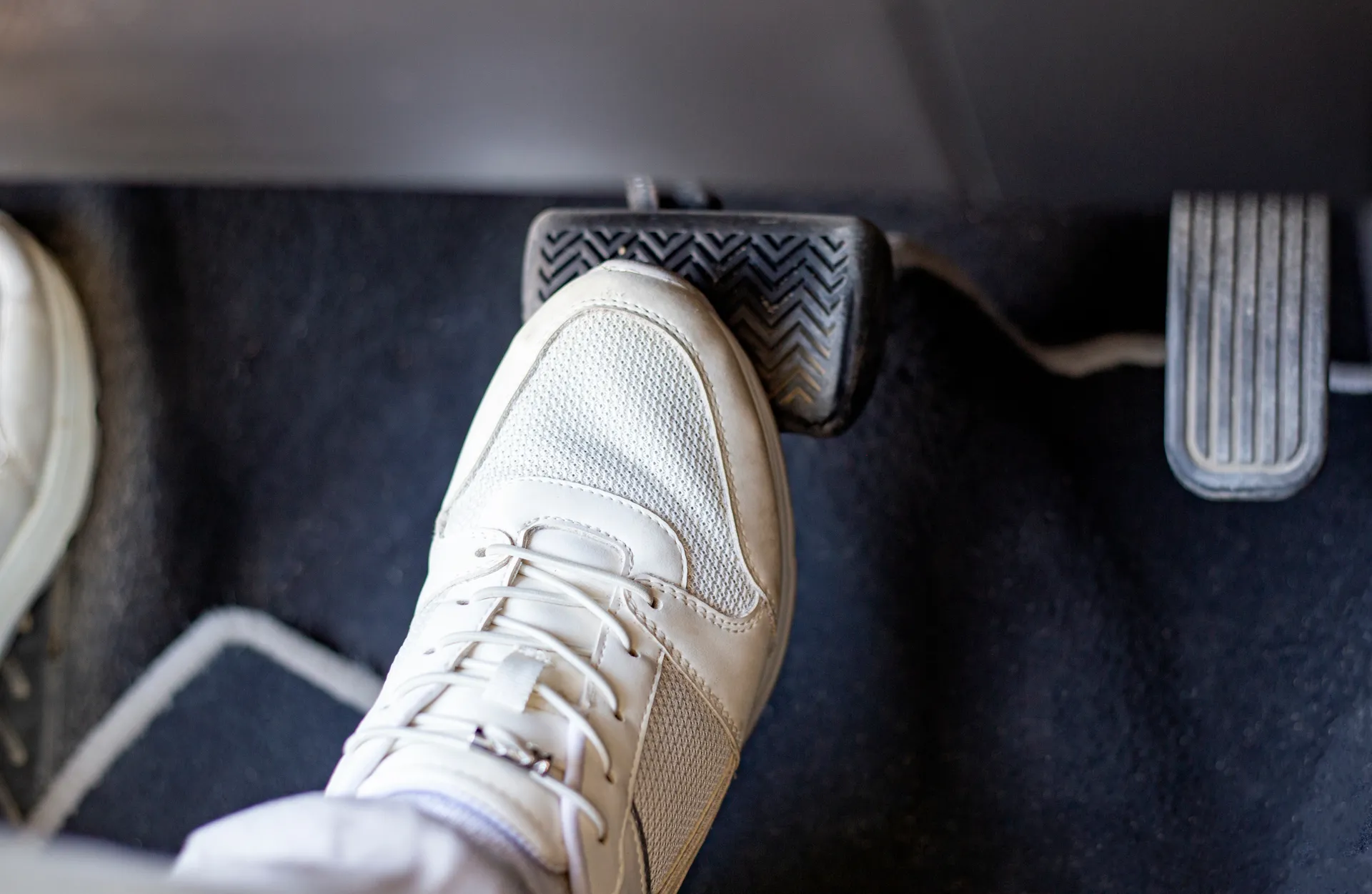
1. Brake firmly in a straight line
This is the safest response. Strong, controlled braking gives you the best chance of avoiding impact without losing control of your vehicle.
2. Don’t swerve
Swerving is the most dangerous reaction — it increases your risk of hitting another vehicle, colliding with a tree or pole, or rolling the car. Experts consistently advise: brake, don’t swerve.
3. Use your horn
A short blast can encourage an animal to retreat, particularly if you spot it with enough distance.
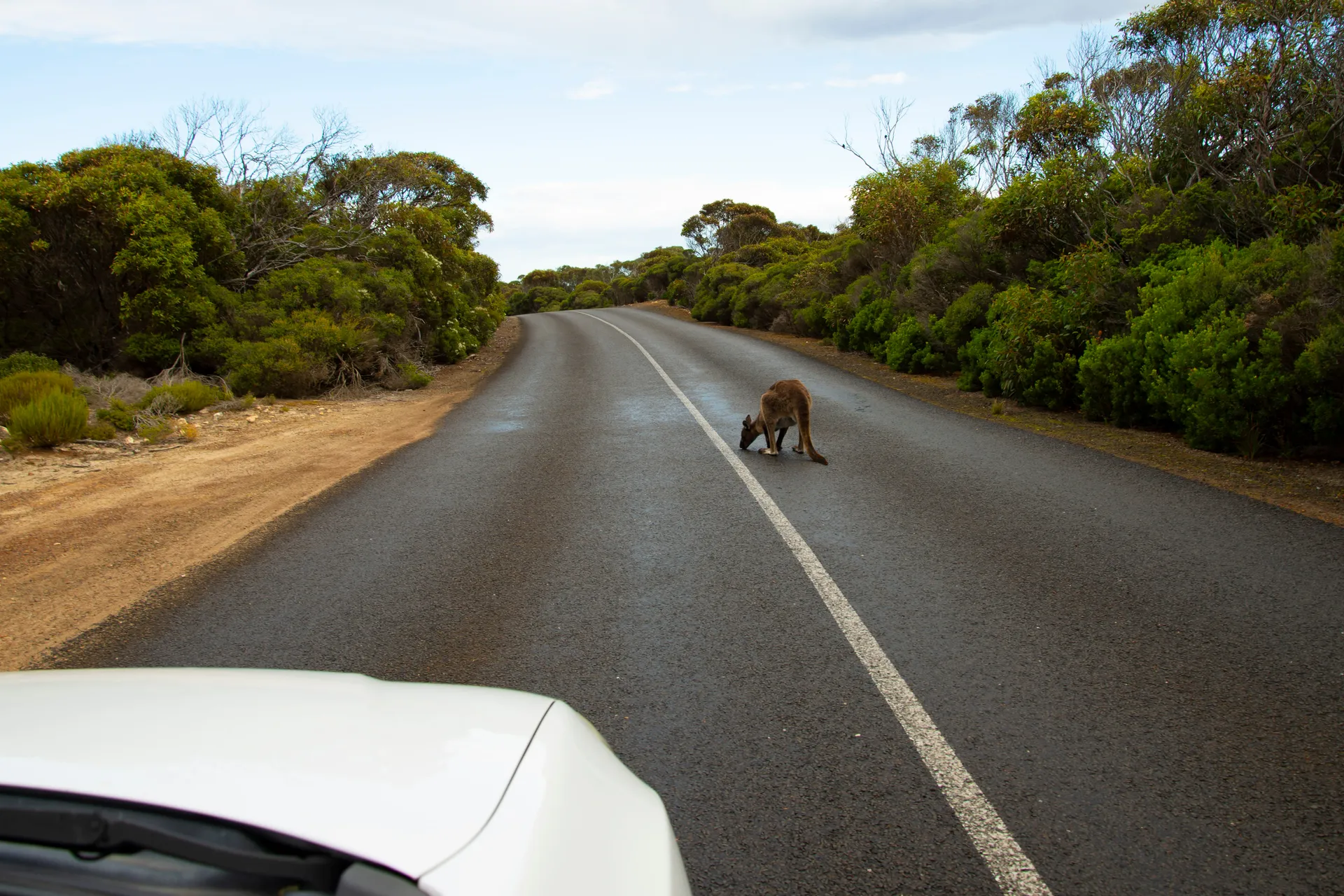
4. Adjust your lights
If safe, temporarily dipping your headlights may help stop the animal from freezing in the beam.
If a Collision Happens
Even careful driving doesn’t prevent all incidents. If you do hit an animal:
1. Pull over safely
Use hazard lights and ensure you’re not putting yourself or other drivers at risk.
2. Approach with caution
Injured wildlife can be unpredictable or defensive. Large animals like kangaroos, wallabies may cause serious injury if frightened.
3. Call a wildlife rescue service
Local wildlife organisations should handle injured animals.
- Queensland drivers can contact the RSPCA Animal Emergency Hotline – 1300 ANIMAL.
4. Check for pouch young – only if safe
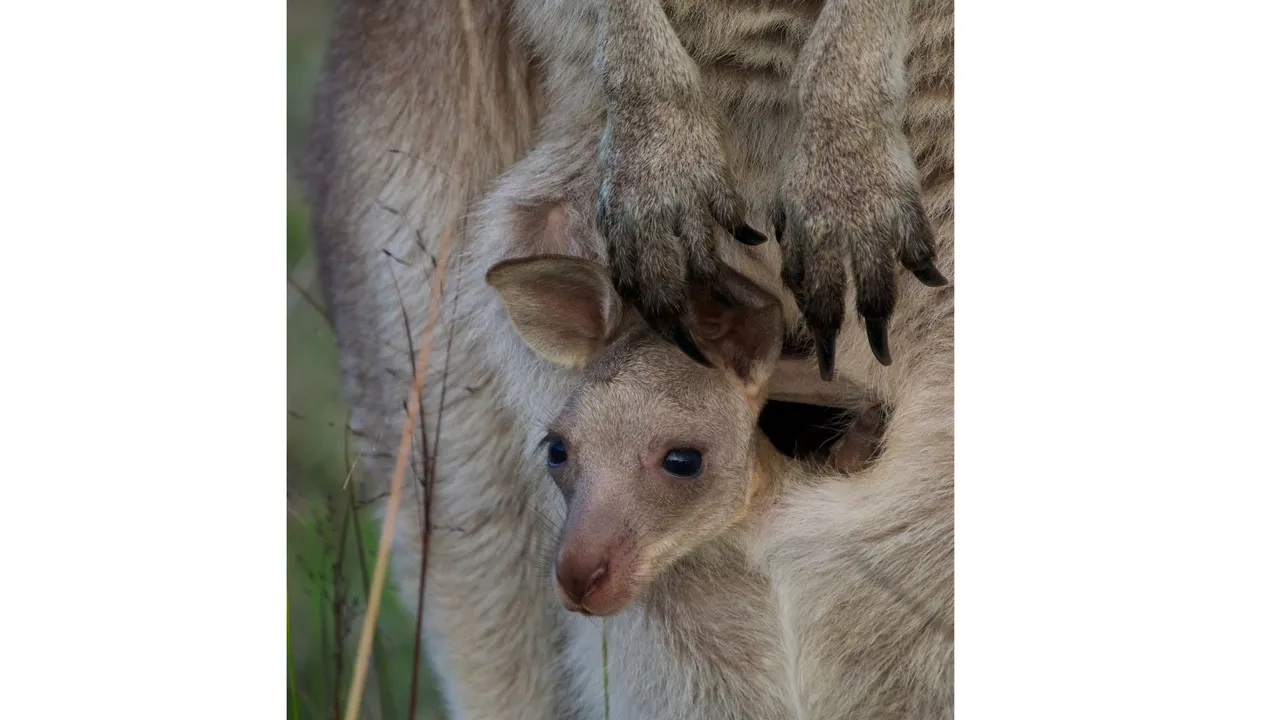
Animals such as kangaroos, wallabies, wombats, gliders, possums and koalas may be carrying young. Joeys can survive impacts and may appear cold or unresponsive but can recover with warmth and care.
Important:
- Never forcibly remove a furless joey from the teat – this requires trained wildlife carers.
- If the mother is deceased and you’re comfortable to do so, wildlife guidelines advise transporting the animal (with joey attached) to a vet, where wildlife treatment is free.
5. Move deceased animals off the road (if it’s safe)
This helps prevent secondary accidents for other drivers.
Top 5
Driving at dusk is sometimes unavoidable, but being prepared and knowing how to react can make all the difference. Your best tools are:
- slower speeds
- alert scanning of roadsides
- correct use of headlights
- braking, not swerving
- quick contact with local wildlife rescue if a collision occurs.
Every safe decision helps protect you, your passengers and the Sunshine Coast’s precious wildlife.