Planned burns underway across coastal and hinterland reserves
The bushfire management program reduces risk ahead of bushfire season and supports the forests that depend on fire to regenerate.
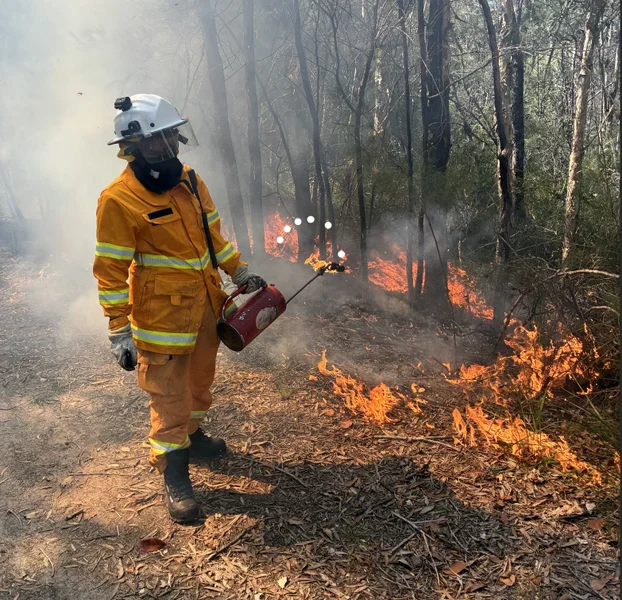
Council's annual bushfire management program takes place between April and September in both coastal and hinterland environment reserves.
Planned burns reduce bushfire risk and maintain healthy, fire-adapted forests.
They reduce fuel loads, support ecosystem health and improve community safety ahead of the peak bushfire season.
Because burns depend on strict weather and ground conditions, including temperature, humidity and wind, dates can change at short notice.
2026 Proposed planned burn list
The interactive burn area map provides details of proposed upcoming and recently completed planned burns, burn updates and current status information.
View the map on Council's bushfire management program webpage
What is a fire-adapted forest?
Many of our local forests are ‘fire-adapted’, meaning they have evolved with fire as a natural part of the landscape. Some plants and animals can survive fire, while others rely on it to regenerate. Planned burns help maintain the right conditions so these ecosystems stay healthy and continue to support local wildlife.
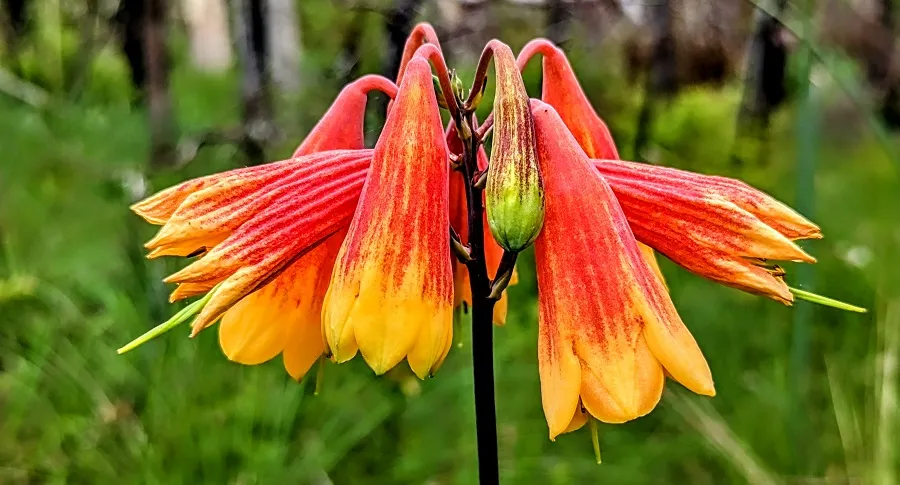
Christmas bells Blandfordia grandiflora are an example of a fire-adapted species. Endangered in Queensland, Christmas bells only flower after fire.
Community safety
We are committed to the safety of the Sunshine Coast community, in relation to fire and smoke:
- report any threats to life and property, call 000 (triple zero)
- any residents affected by smoke are advised to close windows and doors, utilise air-conditioning and keep respiratory medication close at hand. Seek medical advice if you are susceptible to smoke impacts
- as a precaution, road users are advised to drive to suit conditions as smoke can reduce visibility
- further health information can be found on the Queensland Government website .