Mission to save hidden marvel of our rainforests
A collaboration to restore rainforest habitat at the Sunshine Coast Ecological Park will provide a lifeline for the distinctive and elusive endangered southern pink underwing moth.

“Save a moth, save an ecosystem” is a mantra of Barung Landcare’s Cameron Burton.
Among the insects forming the critical foundation of every forest ecosystem, the endangered southern pink underwing moth (Phyllodes imperialis smithersi) is one of a kind.
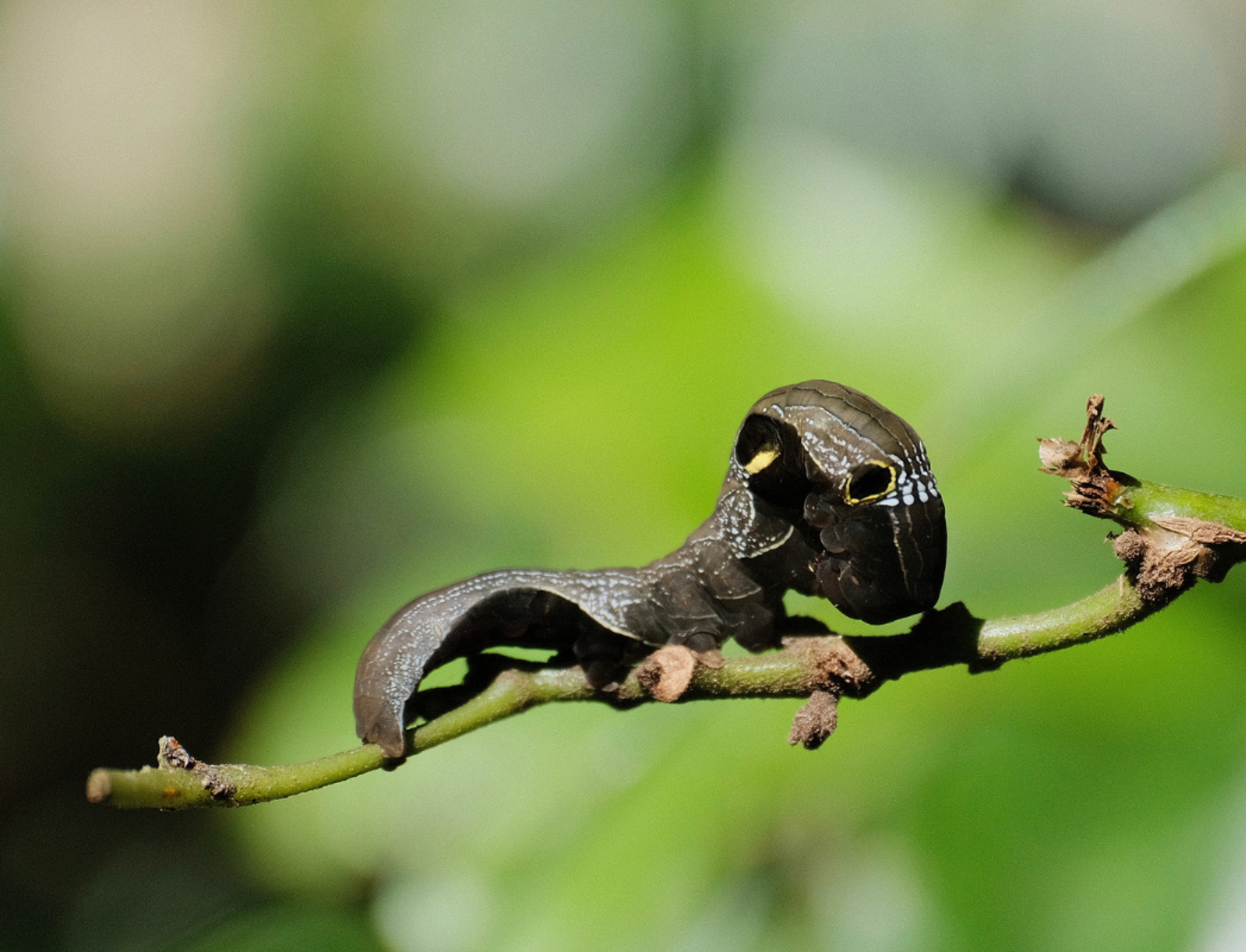
The larva (caterpillar) of the southern pink underwing moth with its warning mask display. Image: Barung Landcare
In its early larval state, the species features an alarming “masked” warning display to confuse potential predators, before it transforms through metamorphosis into a large moth – up to 15cm with distinctive pink underwings, yet rarely seen.
“One time I was fortunate enough to see an adult moth on the edge of a small remnant rainforest in Maleny… it was a spectacular sight,” Cameron says.
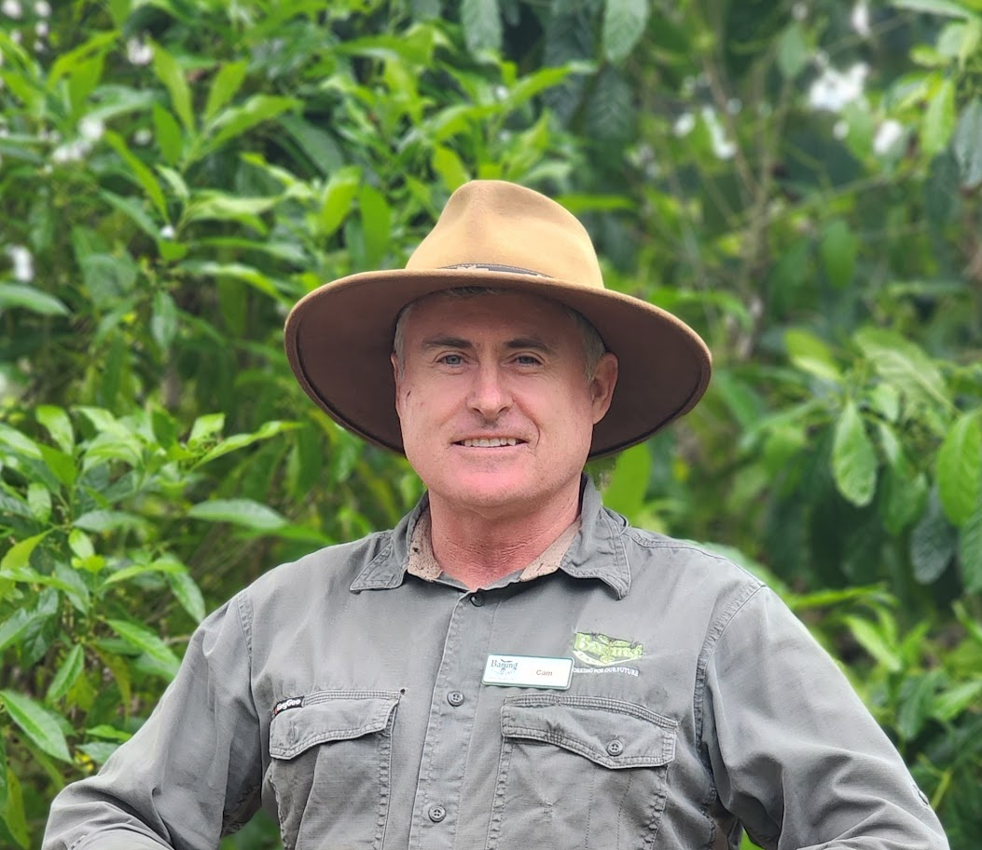
Cameron Burton, Landcare and Partnerships Manager for Barung Landcare. Image: Barung Landcare
The southern pink underwing moth is found only in subtropical rainforests in South East Queensland and Northern New South Wales, with Mary Cairncross Scenic Reserve among the few confirmed breeding sites for the species.
The mission to save the southern pink underwing moth
Adjacent to Mary Cairncross Scenic Reserve, the Sunshine Coast Ecological Park site is providing new opportunities for ecological restoration and recovery for threatened species like the southern pink underwing moth.
Barung Landcare aims to extend potential breeding areas to the ecological park, through a targeted planting project tailored to the moth’s specific breeding needs.

The planting site at the Sunshine Coast Ecological Park. Image: Shane Hastings
The first round of planting, now complete, included 3,750 tubestock plants, a mix of pioneer species and slower-growing species.
Once the fast-growing pioneer species create a canopy of shade, the team will return to plant Carronia vine (Carronia multisepalea) – the only host species that southern pink underwing moth larvae can eat.
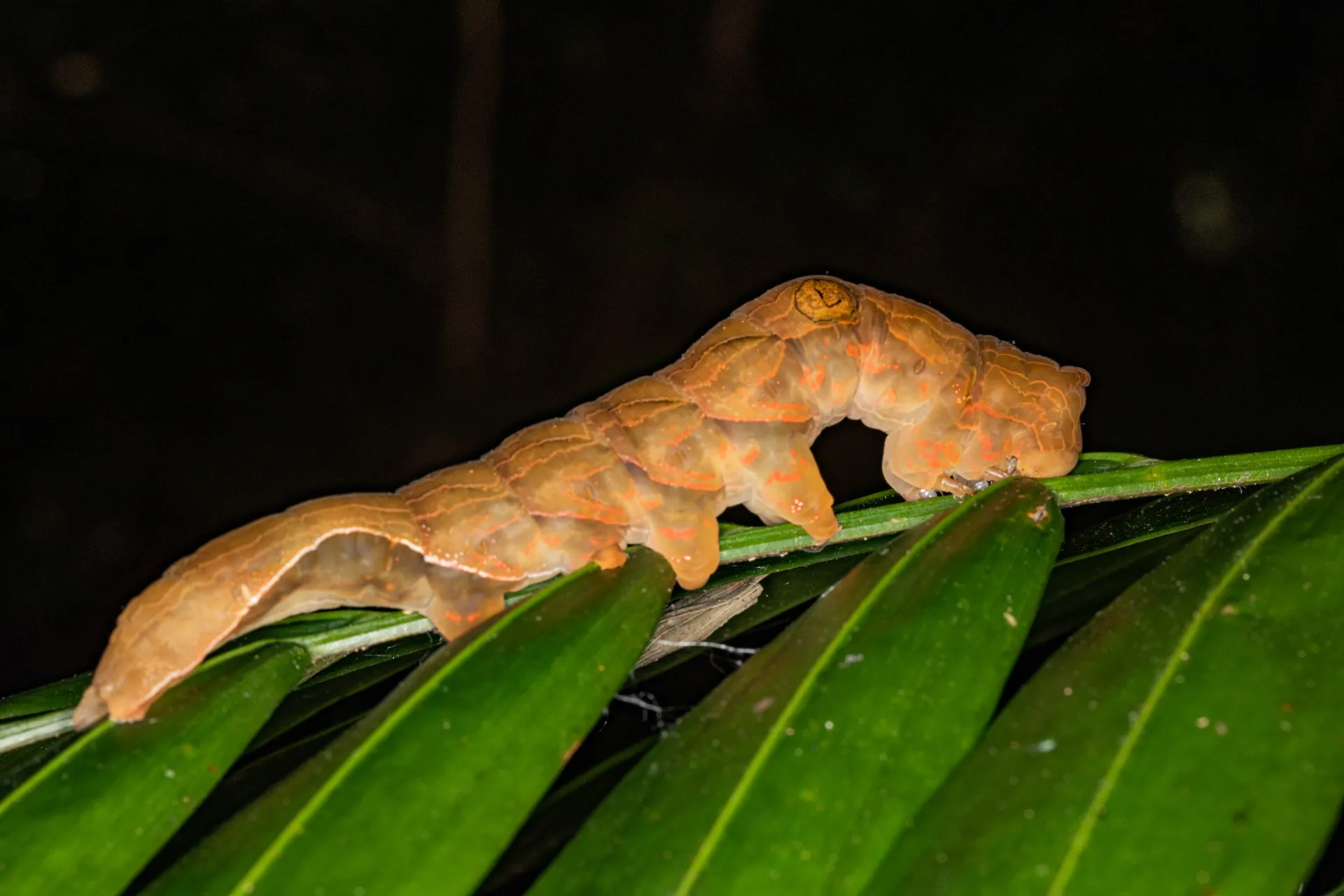
A southern pink underwing moth caterpillar. Image by Rod Edmonds.
The Barung Landcare project is part of ongoing restoration activities towards re-establishing rainforest habitat and critical ecological processes within the park, with more than 9,000 more native plants established at the site during the Sunshine Coast Ecological Park’s early implementation phase.
For Cameron, the growing push to save the southern pink underwing moth is tied to the survival of the mega-diverse Blackall Range remnant rainforests.
“If the story of the moth can help educate the community about these precious forests, perhaps they have a chance of existing into the future.”
Barung Landcare is delivering the project in partnership with Sunshine Coast Council and Healthy Land and Water, with funding from the Australian Government’s Saving Native Species grant.
The project demonstrates how collaborative partnerships are enabling ecological restoration and long-term stewardship at the Sunshine Coast Ecological Park.
Collaboration key to restoration at Ecological Park
Working together to support endangered species like the southern pink underwing moth demonstrates the power and potential of collaboration at the Sunshine Coast Ecological Park site, led by Sunshine Coast Council.
The project is a strong example of how partnerships between Council, environmental organisations, and the community can drive large‑scale ecological restoration.
As the Sunshine Coast Ecological Park evolves, it will provide opportunities for collaboration, training and community involvement, helping protect the region’s unique biodiversity now and for generations to come, while embedding a shared commitment to caring for Country and ongoing landscape stewardship.
The project seeks to restore a large portion of the 65 hectares of cleared pasture on Jinibara Country to rainforest and wetlands, creating a community hub and living laboratory for scientific study, cultural storytelling and learning.
Unlike traditional parks, the Sunshine Coast Ecological Park project considers people, wildlife, resources and vegetation equally, balancing recreation with ecological restoration.
It is a flagship project for integrating environmental stewardship and recreation on the Sunshine Coast.
Find out more about the Ecological Park
Visit the project webpage to find out more about the project and subscribe for future project news updates.