Hidden threat to iconic trees that lurks underfoot
A soil-borne pathogen is destroying trees across the hinterland and beyond, but everyone can help prevent the spread.
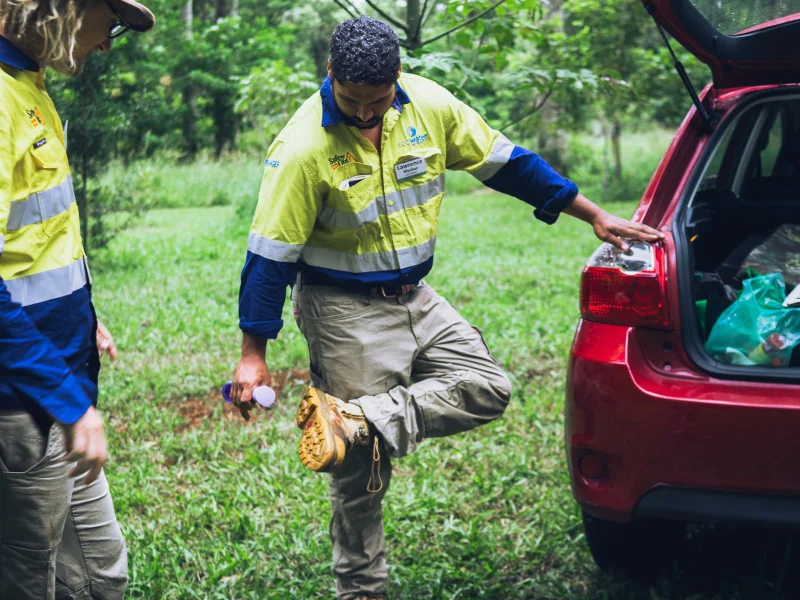
Soil-borne pathogens are an insidious threat to our forests and biodiversity, but in the Sunshine Coast hinterland, those on the frontline are making a stand.
Land managers, scientists, Traditional Custodians, community groups and Sunshine Coast Council recently converged on Mary Cairncross Scenic Reserve and the neighbouring Sunshine Coast Ecological Park site for vital training to prevent the spread of diseases hiding in soil.
Participants learned how easily soil and mud carried on boots, tools and vehicles can transport damaging organisms between sites, and how to identify and manage outbreaks of disease.
It’s a present and escalating threat, with soil-borne Phytophthora pathogen capable of destroying iconic bunya pine trees across the hinterland and beyond.
This training opportunity was initiated by Karen and Spencer Shaw of Brush Turkey Enterprises, and delivered by the Dieback Working Group.
Spencer said bunya dieback was changing the face of the hinterland.
“It’s natural to lose the odd bunya pine tree here and there, but we’re losing hundreds of trees across the whole landscape,” Spencer said.
Healthy bunya pines (Araucaria bidwillii) can live naturally for up to 800 years or more.
The trees occur naturally only in small parts of South‑East Queensland, including the Blackall Range, and their large, nutritious cones (bunya nuts) are culturally significant to First Nations peoples as a food source, a trade item and as part of bunya nut gatherings.
“To lose something like this that’s been with us culturally for tens of thousands of years, and on the planet for hundreds of millions of years, is a big deal,” Spencer said.
The training brought together a wide cross‑section of people who work in and care for natural areas, focused on one urgent challenge – how to reduce the spread of plant diseases that are quietly changing our forests.
Kabi Kabi and Jinibara Traditional Custodians as well as First Nations ranger groups from the Bunya Mountains participated and shared knowledge during the training.
Your actions can help save a forest
Spencer said while the training was aimed at those working on the land, anyone who visited natural areas could help keep forests healthy from pathogens.
“It’s about cleaning your boots or gear properly and stopping the transfer of material that carries this disease,” he said.
You can help save our native plants and animals by:
- removing all mud, soil, algae and plant material from your boots, clothing, equipment and vehicle before arriving at or leaving any natural area – arrive clean, leave clean
- disinfect the soles of your footwear using a disinfectant spray or a boot cleaning station now available at some national park areas
- keep to walking tracks to avoid spreading diseases further.
How collaboration will guide restoration at Ecological Park
As the Sunshine Coast Ecological Park evolves, it will provide opportunities for collaboration, training and community involvement, helping protect the region’s unique biodiversity now and for generations to come.
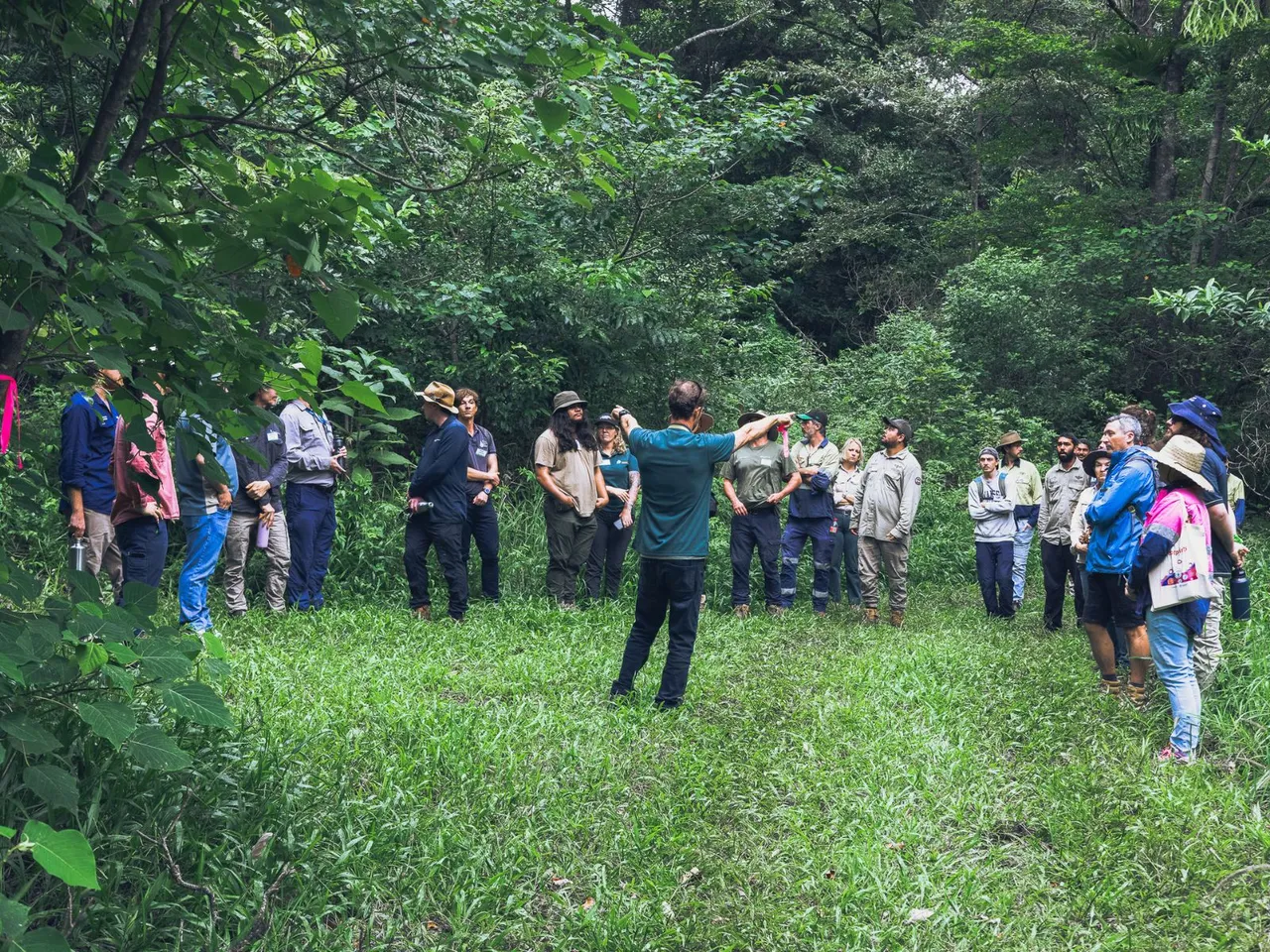
Events like the bunya dieback training demonstrate the power and potential of collaboration at the Sunshine Coast Ecological Park site.
The project seeks to restore a large portion of the 65 hectares of cleared pasture on Jinibara Country to rainforest and wetlands, as a community hub and living laboratory for scientific study, cultural storytelling and learning.
Unlike traditional parks, the Sunshine Coast Ecological Park project considers people, wildlife, resources and vegetation equally, balancing recreation with ecological restoration.
Find out more about the Ecological Park
Visit the project webpage to find out more about the project and subscribe for future project news updates.