Digging in to tackle a multi-billion dollar problem
A five‑year Invasive Weeds Project is helping landholders to restore ecosystems, reduce herbicide use and protect biodiversity across the region.
In 2021 CSIRO estimated the financial cost of managing Australia’s 3,000 invasive weed species to be around $25 billion – a figure that doesn’t factor in the immense cost of managing the environmental damage caused by these pest plants.
In Australia, invasive weeds were cited as the number 1 leading cause of biodiversity loss and species extinction.
With such high stakes Sunshine Coast Council has spent the past five years testing cutting‑edge technology through its Environment Levy funded, Invasive Weeds Project.
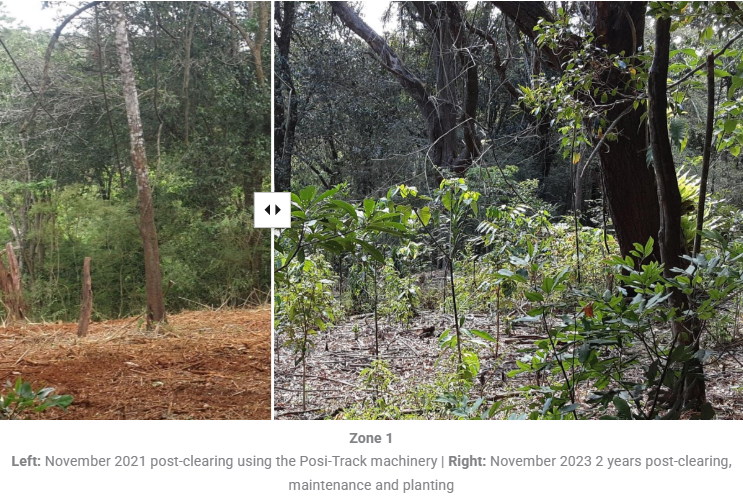
On‑ground trial sites at Maleny and Witta provided the setting for the project, where teams used innovative management techniques to detect, manage and restore weedy landscapes.
Half a decade later, armed with scientific data, research results and hands-on learning, Council is working with the community to wage a war on invasive weeds.
Innovative technology
The project explored drone mapping and artificial intelligence to detect invasive weeds at scale, environmental DNA (eDNA) sampling to identify weeds spreading through catchments and waterways, and trials of alternative control methods to reduce long‑term reliance on herbicides.

Sunshine Coast Environment and Liveability Portfolio Councillor Maria Suarez said invasive weeds posed a significant risk to the region’s biodiversity, waterways and productive land.
“Thanks to the Environment Levy we’ve been able to try some really innovative technologies to find out what actually works so that all landholders and land managers can more effectively tackle weeds on their properties,” Cr Suarez said.
"Through the project we’ve developed a simple, practical approach to weed management, empowering everyone from primary producers to back yard gardeners to gain the knowledge and confidence to take action.
“Unfortunately, weeds don’t recognise boundaries, so this project is a great way to share the load and together, build a greener and more connected Sunshine Coast.”
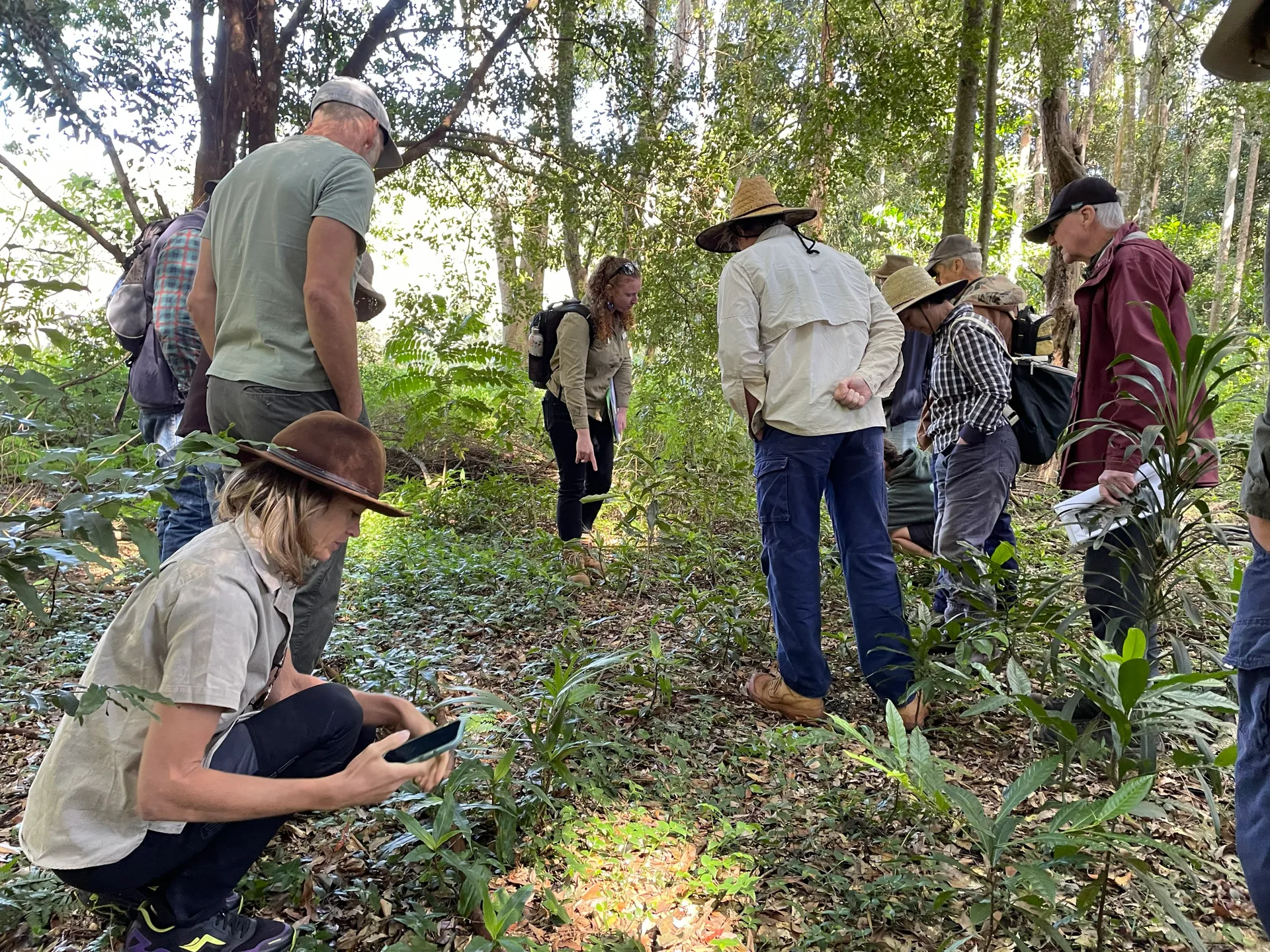
Sunshine Coast Council’s Environment and Liveability Portfolio Councillor Tim Burns said during May Council hosted a series of events and workshops to share information with the community.
“The event series offered practical hands-on demonstrations that showed participants how to work with the land, not against it, restore habitat, protect wildlife and save themselves time and money in the long term,” Cr Burns said.
“The old adage ‘teach someone to fish’ really comes into play here.
Every land parcel is different and people have different constraints. These sessions provide a playbook to choose from so people can tailor the solution to suit their situation.
“There are two community days still to come where we hope to inspire a lot more people to our weed army.”
Sunshine Coast Council’s Division 5 Cr Winston Johnston said the four simple steps, developed as an outcome of the project were available to follow on Council’s website.
“Each of the methods tested at the trial sites are available to view, alongside results and application data, an extensive project resource library with everything from study data and plant lists to plant identification and hire equipment,” Cr Johnston said.
“Together, this project is helping remove invasive weeds, bring back native plants, and help all landholders manage weeds more effectively.”
The invasive weeds project is proudly funded by the Environment Levy, ensuring levy contributions are reinvested into protecting the region’s environment and supporting resilient landscapes for the future.