Mayor calls out unfair changes to recovery funding
As Chair of the Sunshine Coast Local Disaster Management Group, Mayor Rosanna Natoli is raising the alarm that proposed changes to disaster recovery funding could leave communities exposed.
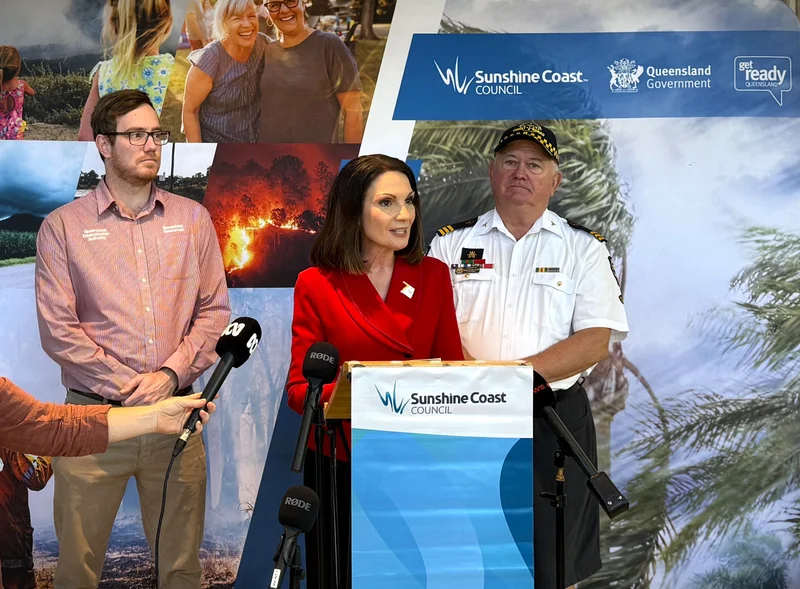
Sunshine Coast Mayor Rosanna Natoli is raising the alarm over proposed changes to the national Disaster Recovery Funding Arrangements (DRFA), warning they could shift risk and financial pressure onto local communities.
As Chair of the Sunshine Coast Local Disaster Management Group (LDMG), Mayor Natoli said the proposed reforms by the National Emergency Management Agency, while aimed at making funding “simpler, faster and fairer,” risk disadvantaging regions like the Sunshine Coast that experience frequent and complex disasters.
“This is about whether our residents can recover when the next disaster hits,” Mayor Natoli said.
“From where we stand, on the frontline of disaster response, there are serious concerns these changes could shift the risk, cost and uncertainty onto communities like ours.”
At the recent LDMG meeting, all agencies and members were concerned about the impact of the proposed funding changes.
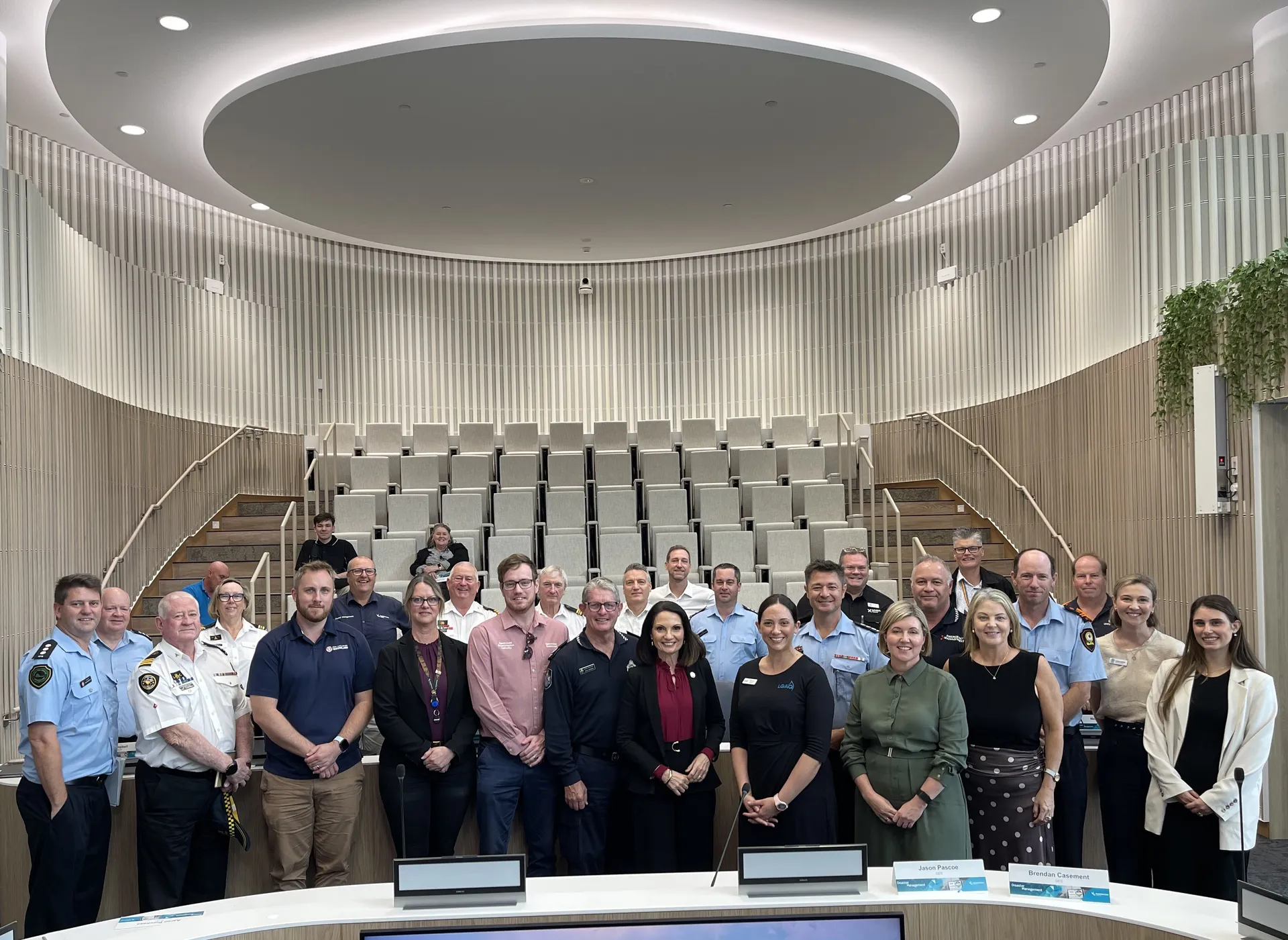
Mayor Natoli said Queensland experiences more natural disasters than any other state and that reality must be recognised in any new funding model.
“Queensland is impacted by disasters consistently,” she said.
“On the Sunshine Coast, we face bushfires, floods, storms and cyclones, often in back-to-back events, and these disasters are becoming more frequent, more complex and more costly.”
Mayor Natoli highlighted the significant impact of recent events, including the 2022 floods and ongoing recovery from Tropical Cyclone Alfred.
“In 2022, flooding caused widespread damage across our region, including 15 major landslip sites needing reconstruction, along with extensive damage to foreshore protections, beach accessways, parks, roads and community infrastructure,” she said.
“Right now, we are still delivering recovery works following Tropical Cyclone Alfred. This is not historical, this is ongoing.”
“Every recovery effort to date has relied on the current DRFA funding framework.”
Under the proposed changes, a key reform would introduce a flat 50–50 funding split between the Commonwealth and states, replacing current arrangements where Queensland receives a higher level of Commonwealth support.
“A one-size-fits-all funding model might sound fair on paper, but it ignores a fundamental truth - disasters are not evenly distributed across Australia,” Mayor Natoli said.
“Queensland is hit more often, more severely and more frequently. A uniform approach will not deliver fairness; it will deliver disadvantage.”
Mayor Natoli warned that any reduction in state funding support could ultimately impact local councils and communities.
“When pressure builds at the state level, it inevitably flows down to local government and onto our communities,” she said.
While acknowledging positive aspects of the proposal, Mayor Natoli said key concerns remain unresolved.
“We welcome efforts to speed up funding activation and reduce unnecessary red tape,” she said.
“And the proposed Resilient Infrastructure Scheme - the opportunity to build back better - is something our Council has long advocated for.”
“However, we need clarity on how funding will be prioritised when extreme or multiple disasters hit, whether available funding will meet demand, and what guarantees exist that councils won’t carry greater financial risk.”
Mayor Natoli also raised concerns about the transition to any new system, noting councils have built significant capability under the existing arrangements.
“When our region is recovering from a disaster, we cannot afford disruptions or delays, and our communities cannot afford gaps in funding,” she said.
Mayor Natoli emphasised that Council is not opposed to reform, but said changes must reflect the realities of disaster-prone regions.
“A reform that treats unequal conditions as if they are equal could leave disaster-hit communities waiting longer for assistance or receiving less.”
She said any new funding model must reflect Queensland’s disproportionate disaster burden and retain the flexibility to respond to local conditions.
“Any new framework must ensure funding is not only faster, but sufficient, reliable and fair,” Mayor Natoli said.
“Because when disaster strikes, communities do not care about funding models, they care about whether their roads are rebuilt, their beaches restored, their parks reopened and their lives put back together.”
“We cannot plan for fewer disasters, but we can plan for better support, and that means getting this right.”