Flooded? Forget it! - Here’s why
Driving into floodwater is a major cause of flood-related deaths. It can take as little as 15cm of water for a car to lose traction on the road and be swept away in floodwater.
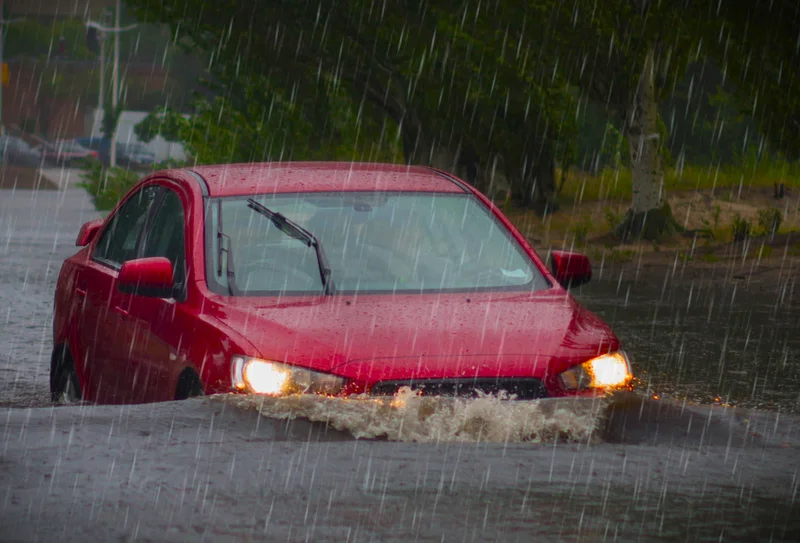
Queensland is impacted more by natural disasters than any other state.
Extreme weather is our norm, and with climate change upping the occurrence, flooding events are going to impact us more regularly.
Sunshine Coast Council Disaster Management coordinator Jason Membrey said that while we can't control the weather, or when or where the next disaster might hit, we can ensure we’re aware and prepared.
“On the Sunshine Coast, we’re no strangers to flooded roads, swollen waterways, or fallen power lines and trees after rain or stormy weather, but that doesn’t mean we should take risks,” Mr Membrey said.
“Being a local means knowing when to stay off the roads during severe weather.
“It’s always better to be safe than sorry, so make sure you take a few simple precautions, check conditions and for any road closures before heading out,” he said.
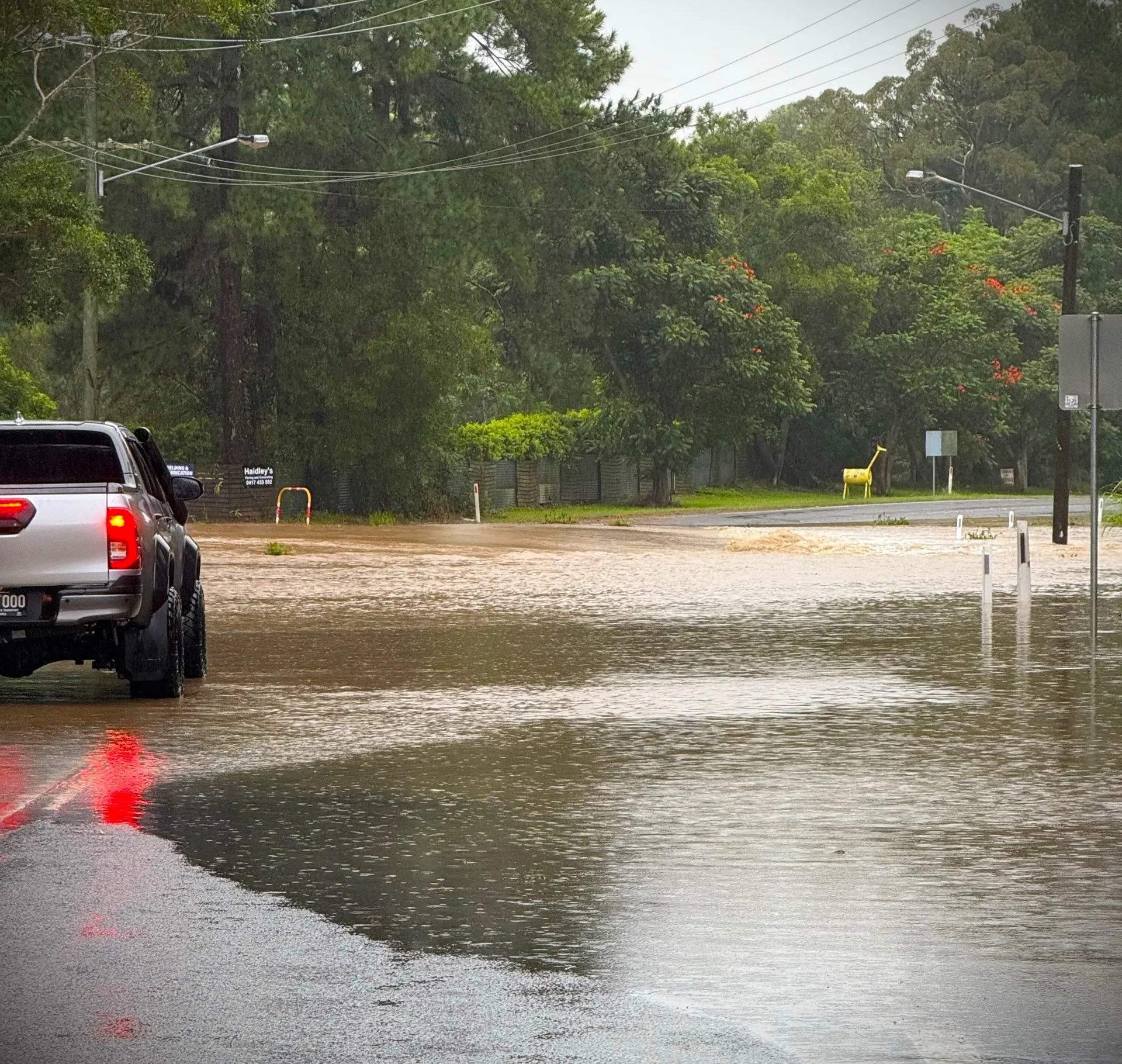
Your car won’t protect you
In Queensland driving into floodwater is a major cause of flood-related deaths.
Get Ready Queensland experts warn that cars are built to protect you on the road, but once they hit water, everything changes.
It doesn't matter what vehicle you drive, or how good you are at driving - even in shallow water, your car’s steering, engine and electrics can fail.
It can take as little as 15cm of water for a car to lose traction on the road and be swept away in floodwater.
About 87 per cent of lives lost in floods happen at a bridge, creek crossing or causeway.
Half of fatal crashes happen at night on roads with little or no street lighting.
Almost half happen within just 20km of the driver’s home.
Flash flooding can occur anywhere, anytime and there may not be a ‘road closed’ sign.
Disabled electric windows and the pressure of floodwater can stop you opening doors and windows, making it extremely difficult to escape.
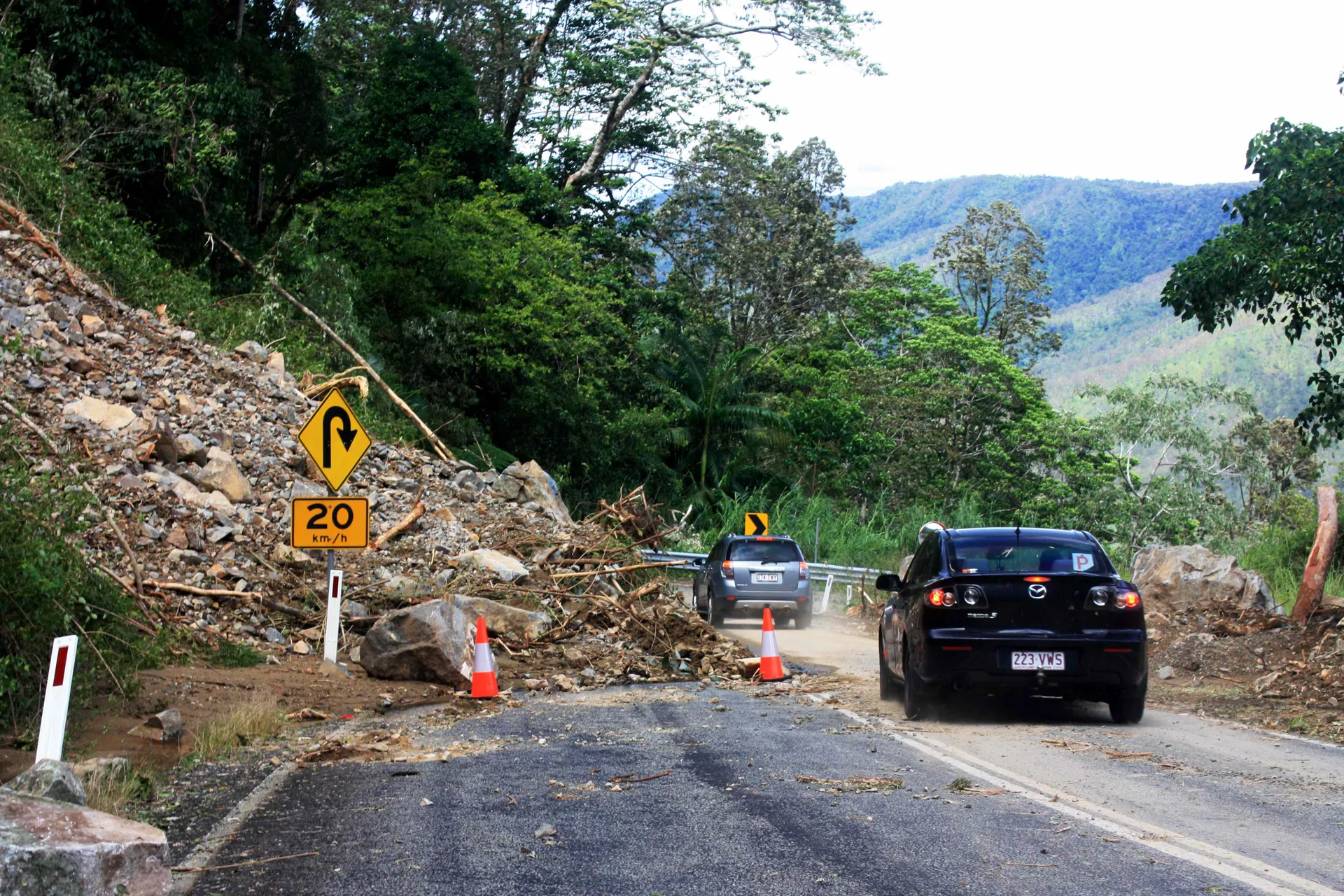
Plan ahead
Keep an eye on local conditions and follow road closed or no entry signs.
Use Council’s Disaster Hub to check for road closures, traffic cameras, flood mapping, as well as find important links and up-to-date information.
You can also download the Sunshine Coast App for Disaster Hub access on your phone.
Visit Get Ready Queensland for simple steps you can take to protect what’s most important to you.
Make it home safe - if it’s flooded forget it!